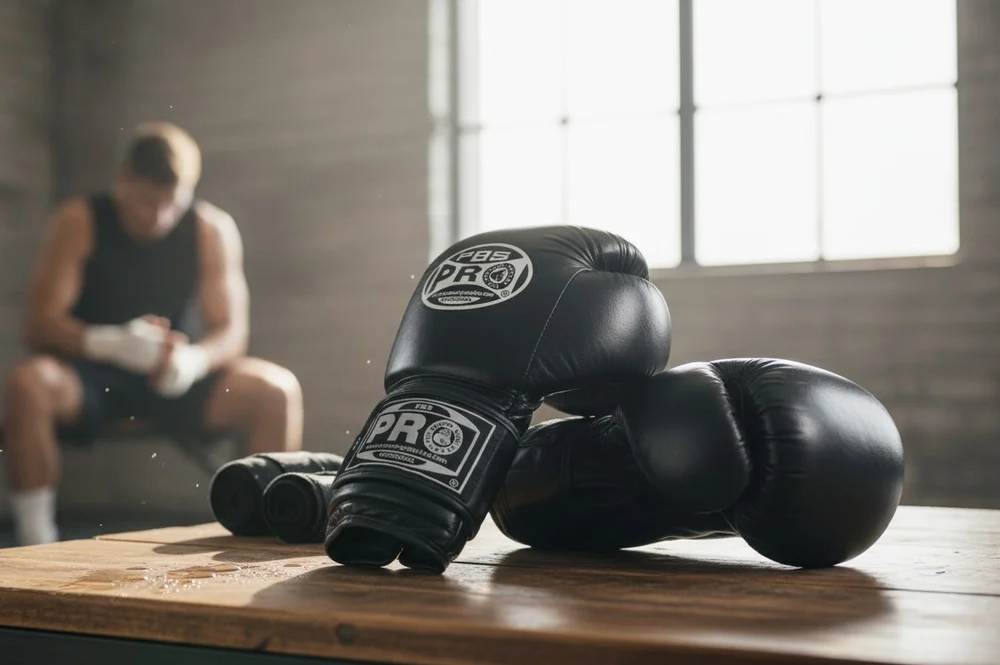
The ounce rating on a pair of boxing gloves doesn’t tell you how they’ll perform. Two 16 oz models can feel entirely different: one has a broad, cushioned striking surface built for sparring, while another uses denser foam and a compact shape better suited to heavy bag sessions.
Padding, fit, wrist construction and intended use all affect how gloves handle repeated punches. A beginner learning combinations has different priorities from a competitive boxer or someone spending most of their gym time on the bag.
Knowing how boxing gloves are built makes choosing a pair considerably easier. It also helps explain why a glove that works perfectly for one type of training may be a poor choice for another.
Why Boxing Gloves Matter in Combat Sports
Every punch places stress on the knuckles, metacarpal bones, wrist and surrounding soft tissue. Repeated impacts can lead to discomfort or injury, particularly when technique deteriorates during a demanding session.
Boxing gloves cushion the striking surface and help distribute contact forces. Their cuffs and fastening systems also contribute to wrist stability, although the level of support varies between designs.
That protection has limits. Gloves cannot prevent every hand fracture or wrist injury, nor does their padding eliminate the risk of head trauma. Sound punching mechanics, properly fitted hand wraps and controlled training intensity remain essential.
Boxing equipment also differs across combat sports. Traditional boxing gloves are designed for closed-fist striking. MMA gloves leave the fingers exposed for gripping and grappling, while Muay Thai models generally allow greater flexibility around the palm for clinch work.
Within boxing, equipment is distinguished mainly by its intended purpose: everyday training, heavy bag sessions, partner sparring or competition. Each activity places different demands on glove construction.
Different Types of Boxing Gloves
Different types of boxing gloves vary in padding, shape and intended use. A model designed to withstand repeated strikes against a heavy bag isn’t necessarily appropriate for contact with another boxer.
Training and Heavy Bag Gloves
General-purpose boxing training gloves cover routine gym activities, including pad drills, shadowboxing and bag work. They combine cushioning with enough flexibility to handle different exercises.
For someone attending boxing classes several times a week, a versatile training pair is often sufficient. Specialized equipment becomes more useful as training volume and individual requirements increase.
Dedicated heavy bag gloves are built for frequent contact with firm surfaces. Many feature dense foam, reinforced knuckle areas and a relatively compact profile. Others use thicker cushioning, so the feel varies considerably between manufacturers.
Firm padding can produce a sharper sensation of contact, but it isn’t inherently more protective. If the glove shifts across the knuckles or creates pressure points, its fit or construction may be unsuitable for the wearer.
Some bag gloves have striking surfaces that are too hard for controlled partner contact. Their suitability for sparring should never be assumed simply because they carry the same ounce rating as a sparring model.
Sparring and Competition Gloves
Sparring gloves prioritize cushioning during controlled exchanges between boxers. Compared with specialized bag models, they generally have a more forgiving striking surface.
Many gyms require 16 oz gloves for adult sparring. Some permit 14 oz pairs for lighter athletes or particular drills, while larger boxers may be asked to wear 18 oz or heavier models. The coach’s assessment and gym rules take precedence over general recommendations.
Padding condition is equally important. Compressed foam, damaged seams or an uneven striking surface can make a glove unsuitable for partner work.
Competition boxing gloves follow a separate set of requirements. They must comply with the event’s regulations, which may specify approved manufacturers, models, weights and construction details.
Unlike everyday training equipment, competition gloves cannot be selected entirely according to personal preference. Their specifications are determined by the applicable rules.
Understanding Boxing Glove Sizes and Weights
Boxing glove sizes are commonly expressed in ounces, but these numbers describe weight rather than the dimensions of the hand compartment.
Heavier gloves often contain more padding or other material. Still, two models of equal weight may differ substantially in shape, internal space and cushioning. Foam density, cuff construction and overall design all influence the finished glove.
Common weights and their typical uses include:
| Glove weight | Typical use |
| 8 oz | Certain competitive bouts and specialized training |
| 10 oz | Competition, pad drills and selected bag sessions |
| 12 oz | Bag work, pads and general technical training |
| 14 oz | General training and some sparring, where permitted |
| 16 oz | Adult sparring and regular training |
| 18–20 oz | Sparring or training requiring larger, heavier gloves |
These are practical guidelines, not fixed rules. Competition regulations may prescribe specific weights, while individual gyms can set their own sparring requirements.
Hand dimensions deserve attention alongside the ounce rating. A narrow 14 oz model might fit securely, whereas another glove of the same weight leaves excessive space around the fingers.
A useful boxing glove weight guide considers training purpose, body size and actual fit together. Choosing solely by the number printed on the cuff overlooks important differences between manufacturers.
For beginners, 12 oz or 14 oz models are common options for bag and pad sessions. Adult sparring frequently calls for 16 oz gloves, subject to gym policy. Whatever the weight, the hand compartment must accommodate properly fitted wraps without excessive pressure or movement.
How Glove Design Affects Punching and Protection
A glove’s construction influences how naturally the fist closes, how stable the wrist feels and how the padding responds to repeated impacts.
Pay particular attention to foam structure, striking surface, thumb placement, cuff rigidity and closure design. Differences that seem minor when trying on gloves can become noticeable over several rounds.
Padding and Impact Absorption
Boxing glove padding commonly consists of layered foam, injection-molded foam or combinations of materials with different densities. Some specialized competition models incorporate horsehair or mixed padding systems.
Softer foam generally compresses more readily. Firmer materials resist compression and may create a more pronounced sensation of contact. Effective cushioning depends on more than density, however. Thickness, internal structure and the material’s ability to recover between impacts all contribute.
Repeated punching gradually changes how padding behaves. Poorly distributed foam can develop hard spots around the knuckles, while less durable materials may lose their shape relatively quickly.
Different training environments place different demands on cushioning. Bag gloves need materials capable of withstanding frequent contact with firm surfaces. Sparring models require an appropriate striking surface for controlled exchanges with another boxer.
Shape also matters. A broad contact area can help distribute force, although the actual impact depends on padding stiffness, construction and the way the punch lands. A compact glove may feel more direct without necessarily offering better feedback or protection.
Boxing glove materials therefore need to be assessed as part of the complete design rather than judged by foam density or exterior appearance alone.
Wrist Support and Hand Position
Proper boxing glove fit starts with the position of the hand inside the compartment. The boxer should be able to form a natural fist, with the knuckles aligned behind the striking surface and the fingers free from uncomfortable pressure.
The thumb should rest securely in its designated compartment. Most modern boxing gloves use an attached thumb to limit excessive movement, although the angle and shape differ between models.
Cuff construction affects wrist stability. Longer, more rigid cuffs can help restrict unwanted movement, while shorter designs provide greater flexibility. Neither guarantees correct alignment when punching.
Closure systems also influence support and convenience:
- Lace-up gloves allow precise adjustment around the wrist and are widely used in competition and serious boxing training. They usually require assistance to fasten correctly.
- Hook-and-loop gloves are easier to put on independently, making them practical for everyday sessions and quick changes between drills.
A secure fastening should hold the glove in place without restricting circulation or causing numbness.
Hand wraps add support and help stabilize the hand inside the glove. Since they also change the fit, gloves intended for regular training should be tried on with wraps rather than bare hands.
Good boxing glove protection comes from the combination of suitable construction, secure fit, proper wrapping and correct punching mechanics.
Choosing Boxing Gloves for Different Training Goals
Start with the type of work you’ll actually be doing. Someone training mainly on the heavy bag needs different characteristics from a boxer preparing for regular sparring or an upcoming competition.
Beginners and fitness boxing
When choosing boxing gloves for beginners, prioritize comfort, a secure fit and a natural hand position. A supportive cuff and sufficient knuckle cushioning are more useful than specialized features designed for experienced competitors.
A versatile training model usually makes sense for someone still developing a consistent routine.
Heavy bag sessions
Frequent bag work puts considerable stress on seams, padding and the striking surface. The gloves should retain their shape through repeated impacts and remain stable around the hand.
A model that twists or slides across the knuckles needs reassessment. Increasing the glove weight alone won’t necessarily solve the problem.
Technical pad work
Pad drills emphasize timing, accuracy, combinations and changes of rhythm. Some boxers prefer lighter gloves because they feel less cumbersome during fast sequences.
Others use their regular training pair to maintain a familiar feel. The appropriate choice depends on the purpose of the drill and the coach’s instructions.
Partner sparring
For boxing sparring, use gloves approved for partner contact, with intact cushioning and secure wrist support. Weight requirements depend on the athletes involved and the gym’s policies.
Regular boxers often keep a dedicated sparring pair rather than using the same gloves for every session.
Competition preparation
Competition gloves may differ noticeably from everyday training models in shape, padding and weight distribution. These characteristics can affect how the boxer forms a fist and delivers punches.
Familiarity with approved equipment is useful during preparation, but competition gloves should be introduced under a coach’s supervision rather than replacing protective training equipment throughout camp.
Boxing Gloves in Amateur and Professional Competition
Competitive boxing imposes equipment requirements beyond ordinary gym recommendations.
In professional boxing, glove weight is generally determined by the weight division and the rules of the relevant athletic commission. Eight-ounce gloves are common in lighter divisions, while ten-ounce models are generally used in heavier divisions. The precise thresholds and permitted equipment depend on the jurisdiction.
Professional fighters may choose between approved manufacturers and models, but their gloves remain subject to inspection and event regulations.
Amateur boxing operates under a different framework. Depending on the governing body, weight division and competition category, approved gloves may weigh 10 oz or 12 oz. Organizers can also specify manufacturers, colors and construction requirements.
The distinction isn’t simply that amateur gloves contain more padding or professional models are harder. Construction varies within each category, and equipment standards are established separately.
A training glove does not become competition-legal merely because its weight matches the requirement. Athletes entering an event should check the current regulations and confirm which models are approved.
Common Mistakes When Selecting Boxing Gloves
Appearance and brand reputation can influence a purchase, but neither guarantees a comfortable fit. Even expensive gloves are a poor choice if they move around the hand during punches.
Another mistake is assuming that extra weight automatically means better protection. Padding quality, wrist stability and correct hand alignment matter alongside the ounce rating.
Other common problems include:
- Using one pair for every activity without checking its design. General-purpose gloves can handle several types of training, but specialized models may have important limitations.
- Ignoring the hand compartment. Excess space allows unwanted movement, while an overly narrow fit can restrict the fingers or create pressure points.
- Trying gloves without wraps. The added material changes how the glove fits around the knuckles, palm and wrist.
- Choosing extremely firm padding for the wrong reasons. A sharp sensation of contact doesn’t establish how effectively a glove cushions impact.
- Overlooking the fastening. Loose closures can undermine wrist stability even when the rest of the glove fits comfortably.
- Keeping damaged equipment in use. Split seams, exposed foam and uneven striking surfaces are warning signs that replacement may be necessary.
New gloves may become slightly more flexible with use, but they shouldn’t require painful training sessions to feel comfortable.
How to Maintain Boxing Gloves
Most boxing glove maintenance comes down to moisture control, appropriate cleaning and regular inspection.
Sweat accumulates inside the lining during training. Leaving damp gloves closed in a gym bag encourages unpleasant odors and can accelerate material deterioration.
After each session, wipe the exterior with a soft cloth and open the cuffs to improve airflow. Let the gloves dry naturally in a well-ventilated room.
Avoid radiators, high-temperature dryers and other direct heat sources. Excessive heat can damage foam, adhesives and outer materials, including leather and synthetic coverings.
If the manufacturer permits it, the interior can be wiped gently with a suitable cloth. Avoid soaking the lining or applying cleaning products that may damage the material.
Moisture absorbers and purpose-made glove deodorizers can help between sessions, although they don’t replace proper drying.
Leather models may benefit from occasional conditioning with a product suited to their finish. Synthetic gloves generally require different care and shouldn’t automatically receive leather treatments.
Inspect the seams, thumb attachment, cuff fastening and knuckle padding regularly. Hard or uneven areas can indicate internal deterioration even when the exterior looks intact.
For athletes training several times a week, alternating between bag and sparring gloves can extend the useful life of both pairs.
FAQ
What size boxing gloves should a beginner use?
Many adult beginners choose 12 oz or 14 oz gloves for bag and pad work. Sparring often requires 16 oz, although gym policies and the athlete’s size may call for a different weight. Fit and intended use should guide the decision.
Are 16 oz boxing gloves better for sparring?
Sixteen-ounce gloves are widely used for adult sparring and generally contain more padding than lighter models of similar construction. Their suitability still depends on fit, padding condition and gym requirements. Weight alone doesn’t determine how safely a glove performs.
Can you use the same boxing gloves for bag work and sparring?
Some general-purpose training gloves are suitable for both activities when approved by the gym. However, frequent heavy bag sessions gradually wear down the padding. Keeping a separate sparring pair is usually worthwhile for boxers who train regularly.
What is the difference between lace-up and Velcro boxing gloves?
Lace-up gloves offer precise adjustment but usually need assistance to fasten. Velcro, or hook-and-loop, models are more convenient for independent training and quick changes between exercises. Either closure can provide effective wrist support when properly fitted.
How often should boxing gloves be replaced?
There is no fixed replacement interval. Training frequency, impact intensity, materials and maintenance all affect lifespan. Replace gloves when the padding becomes excessively compressed or uneven, seams fail, or the fastening no longer holds securely. Sparring gloves require particular attention because their condition also affects the training partner.